


Theater
At École Bilingue Chardin, theater is part of a broader approach to learning. Theater stimulates both the creativity and various cognitive and social skills of children in preschool and elementary school, allowing them to develop their imagination from a very young age.
Theater allows children to develop:
- Verbal expression, stimulating communication skills.
- Physical expression, by helping children recognize the importance of non-verbal communication, that is, the messages conveyed through their gestures and movements.
- Public speaking skills, building self-confidence and self-esteem.
- Teamwork, as everyone is important and must be respected with kindness.
- Awareness of the importance of doing regular work for personal growth and for the benefit of others.
In preschool, theater is introduced through playful improvisation exercises based on emotions. Children learn to identify their emotions, reflect on them, express them, and recognize them in their classmates.
Starting from CP (elementary school), children will organize short plays, either based on their own creations or from reference materials, such as Harry Potter or classical repertoire.
The highlight of the year will be the end-of-year performance, fully created by preschool and elementary students with the help of their teachers at École Bilingue Chardin, to which, of course, all parents will be invited.

Visual Arts
In order to give children a true introduction to Art, École Bilingual Chardin has set up an exclusive partnership with the Musée en Herbe.
read more
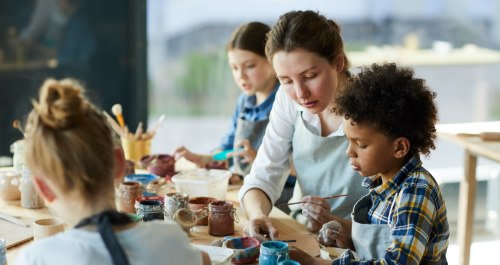
Arts and crafts
At École Bilingue Chardin, art is practiced and encouraged using all types of media. The practice of manual activities encourages concentration, precision, and perseverance.
read more

Theater
The Theater stimulates creativity as well as diverse cognitive and social skills in children, thus enabling them to develop their imagination from a very young age.
read more
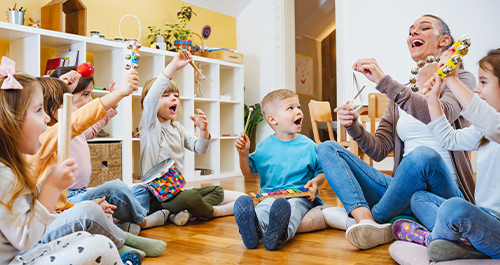
Musical awakening
At École Bilingue Chardin, musical awakening in preschool plays a key role in the overall development of children.
read more